Call us on +91-9560887755

Sector 58 Gurugram Infrastructure Updates
Discover how new road links and smart junctions in Gurugram's Sector 58 drive rental demand and capital appreciation for real estate investors.
Who this is for
This comprehensive guide is designed for strategic real estate investors, portfolio managers, and long-term asset builders who focus on fundamentals over speculation. If you are tracking how civil engineering, upcoming arterial road links, transit corridors, and junction decongestion impact real estate asset value in Gurugram’s Sector 58, this analysis provides the expert context you need to make informed decisions.
Sector 58 in Gurugram is undergoing significant infrastructure enhancements, specifically in road links and smart junctions. For investors, these upgrades reduce transit friction to commercial hubs, directly driving higher rental demand and robust capital appreciation potential without relying on speculative market pricing or cyclical trends.


Get A Callback!
How Do Major Road Upgrades Transform Sector 58's Investment Landscape?
Safety and calmness by design
The fundamental driver of real estate value in expanding urban environments like Gurugram is connectivity. Sector 58 is uniquely positioned near major arterial networks, making it a critical node for both residential and commercial expansion. When municipal authorities invest heavily in widening primary access roads and creating new feeder links, the entire economic landscape of the sector shifts.
For real estate investors, improved road networks directly reduce transit friction for daily commuters. Corporate professionals operating in the premium segments of Gurugram’s economy prioritize time over distance. A reduction of fifteen minutes in a daily commute translates to over five hours saved weekly. This lifestyle optimization is exactly what drives premium rental yields. Tenants are consistently willing to pay a premium for residences that offer seamless access to major expressways without the burden of navigating congested, narrow neighborhood lanes.
Furthermore, road upgrades open up land parcels for high-density development. As accessibility improves, developers are more likely to launch premium projects, which gradually elevates the profile of the entire neighborhood. Over a multi-year horizon, this transition shifts a sector from an emerging market to an established, highly desirable residential hub. Investors who enter the market during the early phases of these road network enhancements position themselves to capture the maximum upside of this neighborhood evolution.
On-Ground Cues to Track:
Earth-moving equipment actively leveling land adjacent to current single-lane roads
Concrete barriers establishing clear right-of-way zones for upcoming road-widening projects
Temporary service lanes being paved to divert traffic while main arterial roads are upgraded
Are you looking to identify which specific micro-pockets in Gurugram will benefit the most from these upcoming road upgrades? Reach out to the Deal Chahta Hai team today for a one-on-one portfolio consultation focused on connectivity-driven growth.
Be First To Get
Gurugram New Real Estate Launch Alerts
on WhatsApp
RERA-approved new projects from top developers hit your phone instantly.
Alerts
FREE
INSTANT
100%
Notifications
RERA-Approved
What Impact Do Smart Junctions Have on Tenant Retention and Livability?
Traffic bottlenecks and poorly managed intersections can severely depress the livability and desirability of an otherwise premium sector. A beautifully constructed residential society loses much of its appeal if residents must endure a daily traffic jam just to exit their neighborhood. Local authorities recognizing this challenge have prioritized phased junction upgrades in and around Sector 58.
The implementation of smart traffic management systems, underpasses, and signal-free corridors at critical junctions transforms the commuter experience. Smooth vehicular flow during peak morning and evening hours dramatically enhances the livability quotient of the area. For an investor, livability directly correlates with tenant retention. High turnover rates eat into rental yields due to vacancy periods and property refresh costs. Properties located near upgraded, decongested junctions tend to attract long-term corporate leases, providing the investor with stable, predictable cash flow.
Moreover, junction improvements significantly reduce localized noise and air pollution. Vehicles idling at congested traffic lights generate a disproportionate amount of emissions and noise. By ensuring continuous movement, smart junctions create a quieter, cleaner micro-environment. This environmental upgrade is highly valued by families and expatriate tenants who prioritize wellness and tranquility alongside urban convenience.
On-Ground Cues to Track:
Soil testing rigs and surveying teams operating at major intersections
Installation of smart traffic cameras and sensor-based traffic light infrastructure
Utility relocation work (such as moving electrical poles or water lines) at corners, which typically precedes junction widening
Want to ensure your next investment isn't hampered by hidden neighborhood traffic bottlenecks? Contact Deal Chahta Hai to access our proprietary livability assessments for properties in Sector 58.
How Will Rapid Transit Expansion Shape Future Demand in Sector 58?
While arterial roads serve private vehicular traffic, the expansion phases of Gurugram's rapid transit and metro networks are equally transformative for the investment landscape. Modern urban planning heavily favors transit-oriented development (TOD). Proximity to upcoming metro stations or dedicated transit corridors shifts the demographic profile of potential tenants, broadening your target audience significantly.
Public transit connectivity offers a reliable alternative to road commutes, adding a layer of economic resilience to the local real estate market. When a sector relies solely on cars, its appeal is limited to tenants who own private vehicles. Metro and rapid transit links attract young professionals, mid-level executives, and families who prefer the predictability of rail networks over unpredictable road traffic. This diversified tenant base ensures that your property remains in high demand regardless of minor economic fluctuations in specific corporate sectors.
Assets situated within a short, walkable distance or a quick feeder-bus ride of these transit hubs historically experience shorter vacancy periods and command stronger rental rates. Investors should closely monitor government announcements regarding phase approvals, funding allocations, and construction tenders for transit lines. Getting ahead of the curve by acquiring assets before the transit stations become fully operational is a proven strategy for maximizing long-term capital appreciation.
On-Ground Cues to Track:
Barricades with official mass transit authority branding appearing along central road medians
Construction of elevated concrete pillars or underground tunneling access shafts
Development of designated auto-rickshaw and feeder bus parking zones near major intersections
Navigating the timelines of public transit projects can be complex. Connect with Deal Chahta Hai to get a clear, realistic timeline of how upcoming transit hubs will intersect with Sector 58’s residential offerings.
Location & Navigation Map of Sector-58, Gurugram
Why Are Commercial Hubs Migrating Closer to Upgraded Transport Corridors?
New road links do more than just move residents efficiently; they are magnets for major commercial enterprises, corporate parks, and high-street retail developments. Businesses require seamless logistics, easy client access, and convenient commutes for their workforce. As Sector 58's infrastructure matures, it naturally evolves into a preferred destination for multinational companies and large-scale commercial operators seeking modern office spaces outside the saturated older sectors of Gurugram.
This influx of commercial activity creates a robust localized economy. For the residential real estate investor, a booming commercial sector nearby is the ultimate demand driver. High-grade corporate parks bring a captive audience of highly paid professionals to the immediate vicinity. These employees strongly prefer to live within a ten-minute drive of their workplace, leading to localized surges in rental demand.
Furthermore, the integration of premium retail spaces, fine dining, and entertainment venues along these newly upgraded corridors creates a holistic, self-sustaining neighborhood ecosystem. Tenants are willing to pay a premium for the convenience of having both their workplace and lifestyle amenities just a short drive down a well-maintained road. Investing in residential assets that border these emerging commercial nodes is a highly effective way to future-proof your portfolio.
On-Ground Cues to Track:
Large-scale excavations and deep basement construction indicative of heavy commercial or retail plazas
Signboards announcing upcoming grade-A office spaces or corporate headquarters
The opening of premium international food and beverage outlets along the main access roads
Looking to align your residential property investments with Gurugram's future corporate hubs? Reach out to Deal Chahta Hai to explore high-potential assets situated right next to Sector 58’s booming commercial corridors.


How Does Enhanced Civic Infrastructure Secure Long-Term Premium Yields?
While expansive roads and fast transit systems dominate the headlines, the invisible civic infrastructure supporting these developments is equally critical for sustaining premium asset values. Upgrades to power grids, stormwater drainage systems, and municipal water supply networks must keep pace with road expansions. If a neighborhood boasts six-lane highways but suffers from severe water-logging during the monsoon season, the property values will inevitably stagnate.
Strategic investors know that robust civic infrastructure ensures uninterrupted daily living, which is a non-negotiable requirement for high-net-worth tenants. When new roads are constructed in Gurugram, they are now frequently paired with modernized underground drainage and utility trenching. This integrated approach to urban planning prevents the need for constant, disruptive road repairs in the future, maintaining the aesthetic and functional quality of the neighborhood.
Additionally, modern road infrastructure projects increasingly incorporate green belts, pedestrian walkways, and cycling tracks. These lifestyle amenities elevate the perceived value of the neighborhood. A sector that offers safe, well-lit spaces for an evening walk or a morning run appeals deeply to premium tenants. A well-rounded infrastructural foundation—balancing heavy civil engineering with lifestyle-focused civic amenities—secures the longevity and profitability of your real estate investment over the decades.
On-Ground Cues to Track:
Deep trenching along the sides of new roads for massive reinforced concrete stormwater pipes
Installation of modern, energy-efficient LED street lighting networks
Planting of mature trees and landscaping along road medians and pedestrian pathways
What is the Lifecycle of Infrastructure-Led Capital Appreciation?
Understanding the psychological and economic lifecycle of infrastructure projects is vital for timing your investments. The value of real estate does not jump overnight when a road is completed; rather, it appreciates in distinct phases.
The first phase is the "Announcement Bump." When local authorities officially notify a new road link or junction upgrade, speculative interest causes an initial, moderate rise in property values.
The second phase is the "Construction Lull." Heavy civil engineering causes temporary inconvenience, dust, and traffic diversions. During this period, rental yields might temporarily stagnate, and impatient investors may exit the market. Smart investors view this phase as an opportunity to acquire assets at fair valuations before the final surge.
The third and most lucrative phase is the "Operational Surge." As the barricades come down and the road opens to the public, the true value of the connectivity is realized. Commute times drop instantly, commercial spaces fill up, and tenant demand spikes. This is when long-term investors experience the most significant capital appreciation and can drastically revise their rental expectations upward. Recognizing where Sector 58 stands in this lifecycle is the key to maximizing your return on investment.
On-Ground Cues to Track:
Monitoring local news for official tender allotments versus mere political announcements
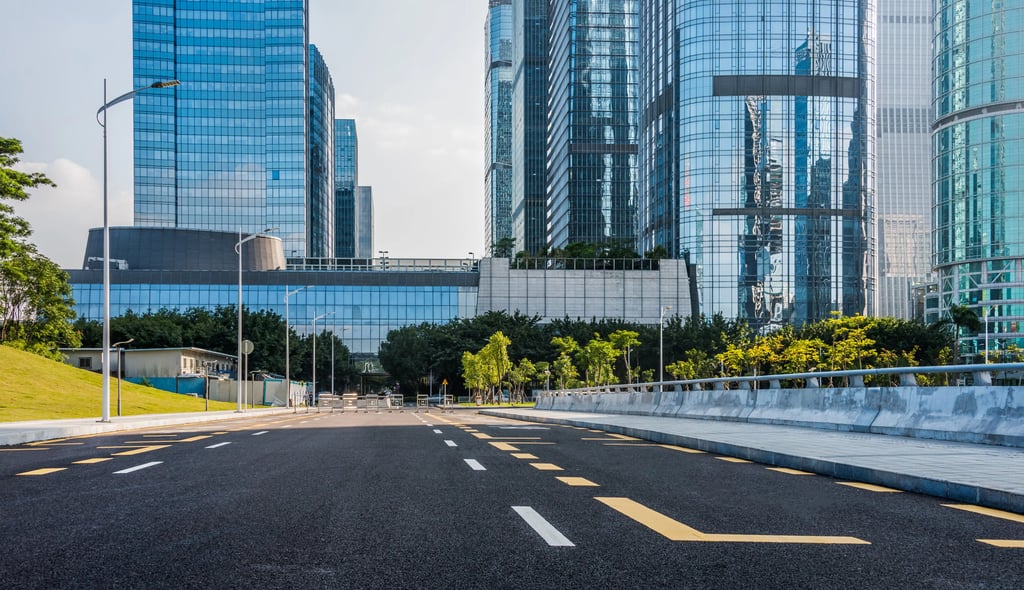
Observing the shift from heavy earth-moving phases to final asphalt laying and lane marking
Tracking the speed at which nearby commercial developers begin their finishing work in anticipation of the road opening
Got Questions? Contact Deal Chahta Hai now!
How Can Investors Evaluate Future Road Projects Before Committing Capital?
Not all announced infrastructure projects come to fruition on schedule, and blindly trusting master plans without independent verification is a substantial risk. Serious investors must adopt a rigorous evaluation framework when assessing the impact of future road links in Sector 58.
First, track the official budgetary allocations. A road project on a master plan means very little until state or municipal funds are officially allocated and the civil contracts are awarded to established engineering firms.
Second, assess land acquisition status. Road projects frequently face delays if the government has not fully acquired the necessary land parcels. Infrastructure that passes through clearly defined, dispute-free municipal land is far more likely to meet its completion deadlines.
Finally, analyze the network effect. A new road only adds value if it connects to other major functioning arterial routes. Evaluate where the new link begins and where it terminates. Does it provide a direct bypass to a heavily congested area? Does it seamlessly merge onto a major expressway? Understanding the macro-connectivity picture ensures that you are investing in infrastructure that will genuinely alter the economic geography of the area, rather than an isolated stretch of pavement.
Common Investment Mistakes to Avoid
Navigating an infrastructure-driven market requires careful strategy, patience, and foresight. Investors must avoid several common pitfalls when evaluating real estate tied to civic developments:
Ignoring the Temporary Construction Impact: Many investors fail to account for the dust, noise, and localized traffic jams that accompany major infrastructure projects. If you are relying on immediate rental income, buying directly adjacent to a massive, multi-year flyover construction site may result in unexpected short-term vacancies.
Overvaluing Unapproved Master Plans: It is a mistake to base financial projections on draft master plans that have not yet received final government approval or funding. Always separate confirmed infrastructure execution from long-term municipal wish lists.
Neglecting Secondary Connectivity: While a major expressway is highly visible, the condition of the secondary 24-meter or 18-meter sector roads is what your tenant will experience every single day. Do not invest in a property near a great highway if the immediate approach road is perennially neglected.
Assuming Uniform Appreciation: Not every property in a sector benefits equally from a new road. Homes located directly on busy intersections might suffer from noise pollution, while those situated a few hundred meters back will enjoy the connectivity without the acoustic drawbacks. Evaluate the micro-location meticulously.
Failing to Verify Civic Fundamentals: Trusting that water and power infrastructure will automatically improve alongside new roads is a risky assumption. Always conduct independent due diligence on the fundamental civic amenities of the specific society or plot you intend to purchase.
Frequently Asked Questions
How do new road links practically impact Sector 58 investments?
New road networks drastically reduce daily commute times to Gurugram’s major employment hubs. This increased accessibility shifts tenant preference toward the sector, driving higher, consistent rental demand and fueling steady capital appreciation over the long term.
Are there upcoming public transit options that will service Sector 58?
Yes, the sector and its surrounding areas are slated to benefit from proximity to expanding rapid transit and metro corridors. These additions broaden the prospective tenant base to include those who prefer public transport, enhancing overall asset desirability and demand resilience.
Why is junction decongestion so critical for property values?
Smooth traffic flow improves daily neighborhood livability and eliminates the stress of localized commuting. Properties located near effectively managed, signal-free junctions retain premium tenants longer and command superior market positioning compared to those trapped behind choke points.
Does commercial development follow residential growth, or vice versa?
In well-planned urban sectors, upgraded infrastructure typically attracts commercial and corporate parks first. This localized job creation subsequently drives the intense need for nearby residential spaces, creating a mutually beneficial, high-demand cycle for property investors.
How long does new infrastructure realistically take to affect property prices?
Price adjustments generally begin in a minor way when projects are officially approved and funded. However, the maximum value realization and the most significant jump in property valuation occur during the "Operational Surge," right around the time the infrastructure officially opens to the public.
What role does hidden civic infrastructure play in real estate investments?
Underground utilities—such as reliable power cabling, municipal water lines, and modern stormwater drainage—are essential for attracting and retaining premium tenants. Without solid civic fundamentals, even the most beautifully designed properties on the best roads will struggle to perform optimally during peak summer or monsoon seasons.
Should I wait for the road construction to finish before investing?
Waiting until completion eliminates construction risk, but it also means you will pay the highest possible premium for the asset. Strategic investors often buy during the construction phase when prices are stable, allowing them to capture the full capital appreciation once the project is finished.
How does noise pollution from new roads affect tenant demand?
While connectivity is prized, excessive noise is a deterrent. The most successful investments are typically set slightly back from the main arterial road—close enough for a two-minute access drive, but shielded by green belts or secondary structures to ensure a quiet living environment.
Ready to capitalize on the rapid infrastructure growth and connectivity upgrades in Gurugram without falling into common speculative traps? Opt-in to our Deal Chahta Hai WhatsApp community today to receive our free, comprehensive PDF checklist on evaluating infrastructure impact on your next real estate investment.
Information is general guidance; verify independently before making a purchase.
Images designed by Freepik

Deal Chahta Hai made our first home purchase stress-free. The team patiently explained every project detail. Site visit was arranged within 24 hours, and we got the best pricing. No pressure, just honest guidance. Highly recommend for first-time buyers!
Shipra M., Gurugram
Being in Dubai, I needed someone trustworthy for Gurugram property research. Deal Chahta Hai's team shared project comparisons, video walkthroughs, and even arranged virtual meetings with developers. Closed our investment remotely without stress.
Rishabh G., Dubai
★★★★★
★★★★★
Hot Projects
Trending in Gurugram


















© 2026. All rights reserved.
Disclaimer
The information, images, and project details provided on this website are sourced from publicly available materials, developer brochures, and marketing communications. While due diligence is exercised to ensure accuracy and reliability, we make no representations or warranties—express or implied—about the completeness, reliability, or current status of any information presented. All project details, configurations, amenities, specifications, approvals, and RERA registration numbers are subject to change by the respective developer, regulatory authority, or other stakeholders without prior notice. Users are strongly advised to independently verify all project information directly with the developer and concerned authorities before making any purchase or investment decision. This website, belonging to Deal Chahta Hai (a Licenced Real Estate Channel Partner with RERA #: RC/HARERA/GGM/3989/3584/2026/24), functions solely as an informational and intermediary platform for property marketing and does not claim ownership or official representation of any project or developer unless explicitly stated. By using this site, you acknowledge that the website owner, its affiliates, or partners shall not be held liable for any inaccuracies, omissions, or losses resulting from reliance on the information provided herein.